
India e-Tourist Visa
Tourism, sightseeing, and short leisure trips.
From $69 USD (incl. service)
- Often valid up to 1 year
- Double entry common
- Stays usually limited to 30–90 days

Entry requirements, passport rules, visa eligibility, and important travel information for visiting India.
Orientation only. Subclasses, ports, fees, and stay limits are set by India—verify on indianvisaonline.gov.in before you pay.
Links
Rules vary by nationality and port of entry—verify the current India eVisa list before you travel.
The three most common options for short trips to India. Confirm current fees and rules on India’s official eVisa portal before you pay.
Tourism, sightseeing, and short leisure trips.
From $69 USD (incl. service)
Business meetings and permitted short business activities.
From $189 USD (incl. service)
Medical treatment at approved hospitals in India.
From $149 USD (incl. service)
Illustrative overview only. Governments change pricing, categories, and eligibility without notice; this is not legal advice.
Whether you need a visa depends entirely on your nationality. While India offers visa-free entry to citizens of Nepal and Bhutan (in most cases), most international travelers must obtain a visa before arrival.
Available for 160+ countries for Tourism, Business, and Medical purposes. Applied for online and received via email.
Required for longer stays, work, or citizens of countries not eligible for the eVisa program (e.g., Pakistan, Afghanistan).
6-Month Validity
Your passport must be valid for at least six months from the date of arrival in India.
Blank Pages
A minimum of two blank pages is required for the entry and exit stamps from immigration.
Damaged or Emergency Passports
Damaged passports are frequently rejected. Travelers with emergency or temporary passports must apply for a traditional sticker visa at an embassy.
The Indian eVisa program covers travelers from many countries. Use this overview as a starting point, then confirm requirements with official sources before you apply or travel.
Standard processing
Typically processed within 3–5 business days.
Recommended application window
Apply at least 7–10 days before departure.
Important notes
Processing times may vary during holidays or when additional verification is required.
Selfies and colored backgrounds are the most common rejection trigger—use a compliant passport-style photo.
One typo in your passport number or date of birth can void the entire visa.
Hiding past convictions can lead to refusal or a permanent ban.
Verify every character against your passport information page before submitting.
Use a high-resolution scan of a professional passport photo, not a picture of a picture.
Aim for a minimum 2-week buffer to handle any potential clerical delays.
Having an approved eVisa does not guarantee entry into India. The final decision rests with the Immigration Officer at the port of entry.
While not mandatory for all, Hepatitis A, Typhoid, and Tetanus are highly recommended. Yellow Fever certificate is required if arriving from infected areas.
We strongly advise comprehensive travel insurance that covers medical evacuation and inpatient care in private hospitals.
Each item below is a self-contained question and answer. Expand a row to read the response.
Most foreign nationals generally need a valid visa or another authorized travel authorization before arriving in India. Whether you need one may depend on your nationality, trip purpose, and any bilateral arrangements that apply. Nepal and Bhutan are commonly cited exceptions for many travelers; confirm current rules with official sources before you travel.
Citizens of countries listed as eligible on India’s official eVisa portal can generally apply online when traveling for permitted purposes such as tourism, short business visits, or medical treatment, depending on visa subtype. Eligibility may depend on nationality, passport type, and planned activities.
Travelers who do not meet published nationality or purpose-of-travel criteria are generally not eligible. Public guidance often cites examples such as holders of certain passports (for example Pakistani passports in many cases) and people seeking employment, long-term stays, or categories not offered via eVisa. Requirements may change; verify against official instructions.
Nepal and Bhutan citizens are often able to enter India under specific arrangements that may depend on documentation and purpose of travel. Rules can vary by circumstance; confirm requirements with official guidance rather than relying on general summaries alone.
Travelers commonly follow guidance that a passport should generally be valid for at least six months beyond the intended arrival date. Exact expectations may depend on visa category and procedures at the port of entry, subject to immigration regulations.
Requirements may depend on visa type and official instructions for your application. General guidance often mentions having enough blank pages for entry and exit stamps—two blank pages is frequently cited—but you should confirm the current rule for your situation.
Acceptance may depend on nationality and document type. Emergency or temporary passports are sometimes handled differently than standard passports, and embassy or consular processing may be required. Review official instructions before you apply; outcomes may depend on the specifics of your travel document.
Requirements generally include a valid passport, a compliant photograph, and any documents your stated purpose requires (for example itinerary references where requested). Business or medical categories may require additional letters or invitations. Lists may depend on visa subtype and may change over time.
Official portals publish specifications for background, framing, lighting, and likeness. Generally the image should resemble a standard passport-style photo with a plain background and clear visibility of your face. Requirements may depend on the portal’s current criteria.
Accepted formats and size limits are defined in the official application workflow and may depend on each upload field (for example photo versus passport scan). Follow the portal’s stated constraints at the time you apply.
Processing times may vary with workload, verification needs, and holidays. Many routine applications are decided within a few business days, but that timing is not guaranteed. Treat typical ranges as general guidance only.
Applying well ahead of departure is generally prudent—often roughly one to two weeks or more—because delays may occur when additional verification is needed or during busy periods. The margin that makes sense may depend on how flexible your itinerary is.
Whether expedited handling exists may depend on official channels and current policies. Not every application qualifies for faster review. Avoid assuming urgent processing will be available or approved.
Correction options may depend on application status and which fields are wrong. Some errors may require a fresh submission or official support. Procedures may change; follow guidance from the authority handling your case.
If an application is refused, you generally do not receive the authorization you sought. Next steps may depend on any reason communicated (if provided), whether documents or eligibility can be addressed, and whether another visa pathway exists for you. Outcomes are fact-specific and subject to official discretion.
Travelers are commonly advised to carry a printed copy of the authorization together with the passport, though procedures may depend on the port of entry and current instructions. Keeping a secure electronic backup may still be useful.
Entry privileges may depend on the eVisa category and validity printed on your authorization. Some categories allow multiple entries within the validity period; others may be more limited. Read your approval carefully and confirm against official descriptions.
Indian eVisas are generally described in public guidance as non-extendable and non-convertible. If you need a longer stay, options may depend on leaving India and pursuing another appropriate visa route where eligible, subject to immigration regulations.
Generally each traveler—including minors—needs an individual passport and an authorization suited to their nationality and purpose. Requirements for minors may depend on accompanying-adult rules and documentation; confirm official guidance for families.
A Business eVisa is generally intended for permitted short-term business activities such as meetings or exploratory visits, not for ordinary paid employment with an Indian employer. Whether an activity is allowed may depend on immigration regulations and how authorities characterize the activity.
Travelers generally complete border controls where officers may verify documents, ask questions, and capture biometrics where procedures allow. Holding an eVisa does not guarantee admission; entry remains subject to immigration regulations and officer discretion.
Medical eVisa applications commonly require documentation tied to planned treatment, such as a letter from a recognized hospital or facility, in addition to standard passport and photo requirements. Exact needs may depend on official instructions at the time you apply.
Whether a companion needs a separate visa may depend on nationality, relationship, and the companion’s purpose of travel. Someone accompanying as a visitor generally needs their own appropriate authorization unless official guidance clearly states otherwise for your situation.
Go e-Visa is an independent travel visa assistance platform. We are not affiliated with any government agency, embassy, or immigration authority. Final visa approval decisions are made solely by the relevant government authorities.
Go deeper on India eVisa steps, paperwork, and ports—all links below point to guides on this site.
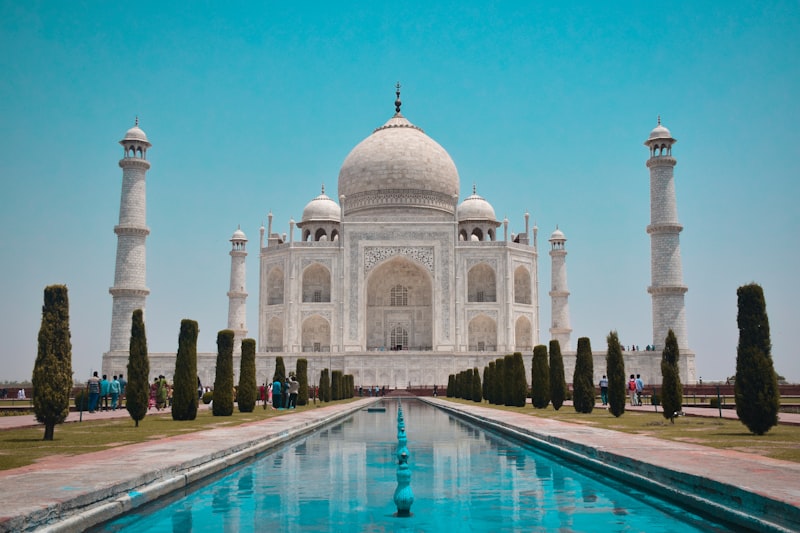
Step-by-step orientation, portal discipline, and realistic timing before you reach government checkout.
Read article arrow_forward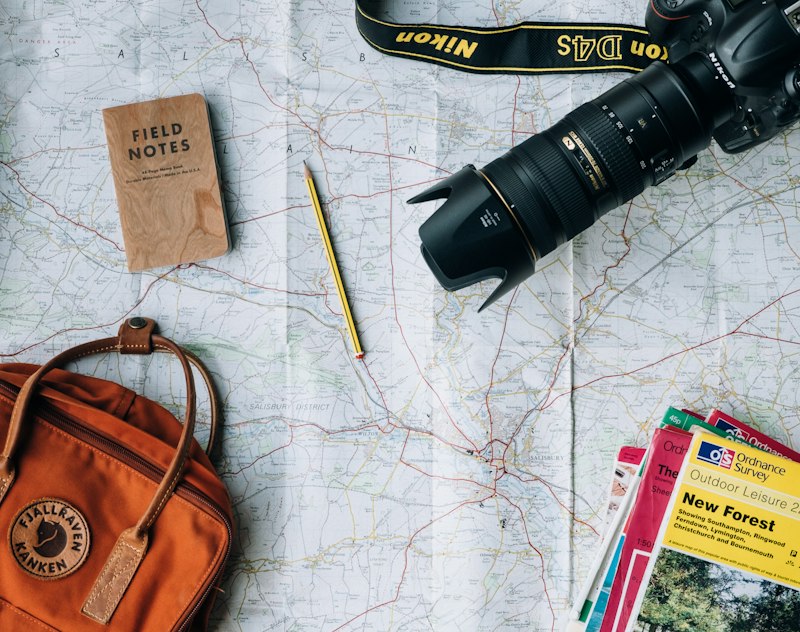
Scans, portrait standards, and invitation evidence that should match your declared subclass.
Read article arrow_forward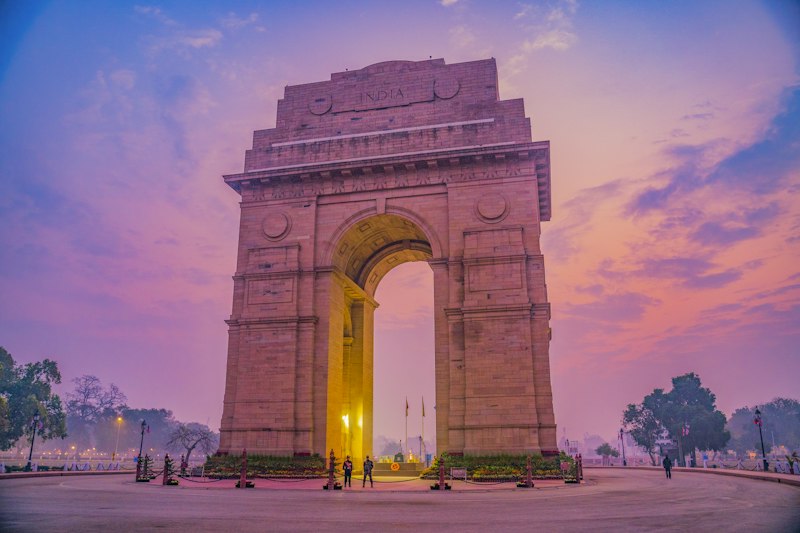
Designated gateways, printed validity, and why “just one more week” is never automatic.
Read article arrow_forward